
Effective communication across languages is essential in today’s interconnected world. Whether in business meetings, healthcare, education, media, or international events, interpretation plays a vital role in ensuring messages are delivered accurately and clearly. Understanding the types of interpretation in communication helps organizations and individuals choose the right interpreting method for each situation.
This article from locterra explains what interpretation is, why it matters, and the main types of interpretation in communication, along with their use cases and benefits.
What Is Interpretation in Communication?

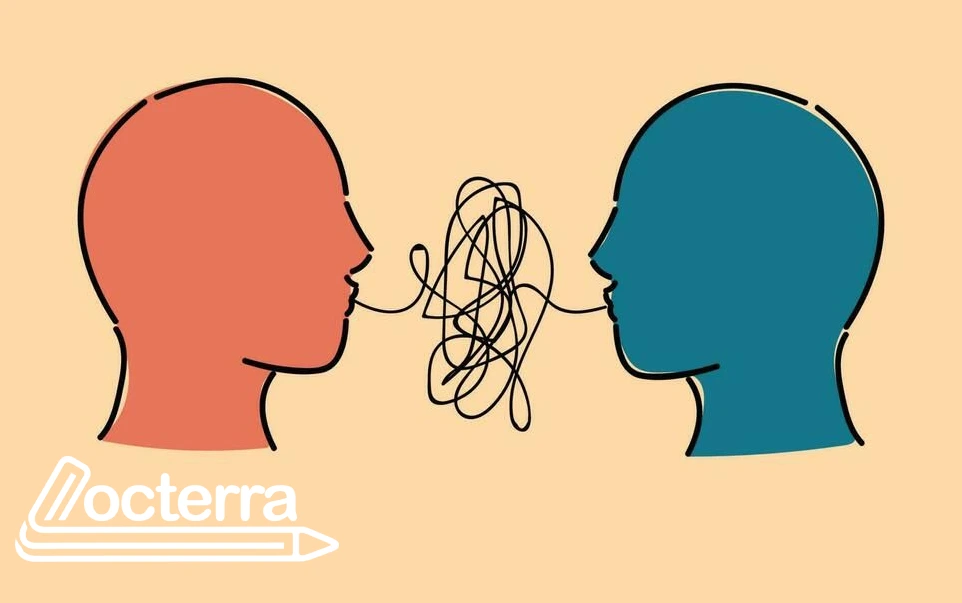
Interpretation in communication refers to the oral transfer of meaning from one language to another in real time or near real time. Unlike translation, which deals with written text, interpretation focuses on spoken or signed language.
The goal of interpretation is not just word-for-word conversion, but conveying meaning, tone, intent, and cultural context to ensure effective understanding between speakers of different languages.
learn about : sign Language Interpretation Services in USA
Why Interpretation Is Important in Communication
Using the right type of interpretation in communication helps to:
-
Prevent misunderstandings and miscommunication
-
Enable inclusive and accessible conversations
-
Support global business and diplomacy
-
Ensure fairness in legal and medical settings
-
Improve audience engagement and trust
Different communication environments require different interpreting approaches, which is why understanding the types of interpretation is critical.
Main Types of Interpretation in Communication
1. Simultaneous Interpretation
Simultaneous interpretation is when the interpreter translates the message while the speaker is still talking, with only a few seconds of delay.
Common uses:
-
International conferences
-
Large corporate events
-
Multilingual summits
-
Live broadcasts and webinars
Key features:
-
Requires high concentration
-
Uses headsets, microphones, or remote platforms
-
Allows uninterrupted communication
2. Consecutive Interpretation
In consecutive interpretation, the speaker pauses after a sentence or short segment, and the interpreter then delivers the interpretation.
Common uses:
-
Business meetings
-
Interviews
-
Press conferences
-
Medical consultations
Key features:
-
No special equipment needed
-
More personal and interactive
-
Takes more time than simultaneous interpretation
3. Liaison Interpretation
Liaison interpretation (also called bilateral interpretation) is a two-way interpreting method used for small group conversations.
Common uses:
-
Negotiations
-
Diplomatic meetings
-
Factory visits
-
Trade discussions
Key features:
-
Informal and conversational
-
Interpreter switches between languages frequently
-
Ideal for one-on-one or small group communication
4. Whispered Interpretation (Chuchotage)
Whispered interpretation is a form of simultaneous interpretation delivered quietly to one or two listeners without equipment.
Common uses:
-
Board meetings
-
Court sessions
-
Private business discussions
Key features:
-
No technical setup required
-
Suitable for very small audiences
-
Not ideal for long sessions
5. Remote Interpretation
Remote interpretation allows interpreters to work from a different location using digital platforms.
Common uses:
-
Virtual meetings
-
Online conferences
-
Telemedicine
-
Remote training sessions
Key features:
-
Cost-effective and flexible
-
Supports global participation
-
Includes remote simultaneous and remote consecutive interpretation
6. Telephone Interpretation
Telephone interpretation is conducted entirely over the phone, enabling quick language support.
Common uses:
-
Customer service
-
Emergency services
-
Healthcare hotlines
-
Immigration support
Key features:
-
Immediate access
-
No visual cues
-
Best for short or urgent conversations
7. Sign Language Interpretation
Sign language interpretation facilitates communication between spoken language users and deaf or hard-of-hearing individuals.
Common uses:
-
Public events
Key features:
-
Uses visual language systems
-
Essential for accessibility and inclusion
-
Requires specialized training
Choosing the Right Type of Interpretation in Communication
Selecting the correct interpreting method depends on:
-
Audience size
-
Nature of the communication
-
Level of interaction required
-
Time constraints
-
Technical availability
-
Sensitivity of the subject matter
Learn about : Types of interpretation in LAW
Understanding the different types of interpretation in communication ensures smoother interactions and better outcomes.
The Role of Professional Interpreters
Professional interpreters are trained to:
-
Maintain accuracy and neutrality
-
Handle specialized terminology
-
Respect confidentiality
-
Adapt to cultural nuances
-
Perform under pressure
Using qualified interpreters significantly improves the quality and reliability of multilingual communication.
FAQs
What are the main types of interpretation in communication?
The main types of interpretation in communication include simultaneous interpretation, consecutive interpretation, liaison (bilateral) interpretation, whispered interpretation (chuchotage), remote interpretation, telephone interpretation, and sign language interpretation.
What is the difference between interpretation and translation?
Interpretation deals with spoken or signed language in real time or near real time, while translation focuses on written text. Interpretation emphasizes conveying meaning, tone, and intent during live communication.
When should simultaneous interpretation be used?
Simultaneous interpretation is best suited for large events such as international conferences, multilingual summits, live broadcasts, and webinars where uninterrupted communication is required.
What situations are best for consecutive interpretation?
Consecutive interpretation is ideal for business meetings, interviews, medical consultations, legal discussions, and press conferences where accuracy and interaction are more important than speed.
Conclusion
The various types of interpretation in communication serve different purposes, from high-level international conferences to one-on-one conversations. Each type, simultaneous, consecutive, liaison, remote, or sign language—plays a critical role in bridging language gaps.
By understanding these methods and applying the right one to each scenario, organizations and individuals can ensure clear, effective, and inclusive communication across languages and cultures.
In a global world, interpretation is not just a service, it is a communication essential.